Hi, this is a blog that is a record of my career as a Japanese teacher. Please introduce this blog to your friends by showing the QR code below

Listen to my music playing: J. S. Bach, Unaccompanied Cello Suite No.3, Prelude on Electric Bass (4.22MB)
I am a native Japanese speaker who used to teach Japanese in a university somewhere on this planet. Currently I don't work but stayed in my house in Northern part of JAPAN. I hope that you could enjoy reading my posts and know what life in Japan is like.
Hi, this is a blog that is a record of my career as a Japanese teacher. Please introduce this blog to your friends by showing the QR code below
Listen to my music playing: J. S. Bach, Unaccompanied Cello Suite No.3, Prelude on Electric Bass (4.22MB)
The main focus of the section 41 is to change some giving/receiving sentences to be more polite, or to be used when the receiver is a lower status person.
A1: Making it honorific : Morai mashita => Itadaki mashita
A2: Making it honorific : Kure mashita => Kudasai mashita
A3: The receiver is Lower status : Age mashita => Yari mashita
Actually, some textbook writes have a belief that teaching everything is important. Such textbook writers would add “Age mashita => Sashiage mashita”. But I don’t think teaching everything is good, because it increases learners’ burden to study. I think that teaching items are to be limited so that more basic and more frequently used items would be prioritized in second language learning. Anyway, A1 through A3 introduce the sentences of giving/receiving of an object that is a noun.
A1: [Noun] o Itadaki mashita
A2: [Noun] o Kudasai mashita
A3: [Noun] o Yari mashita
In A4 through A6, the sentences describing someone did a beneficial action to someone in the following forms;
A4: [V-te] Itadaki mashita
A5: [V-te] Kudasai mashita
A6: [V-te] Yari mashita
[V-te] means a verb in Te-form. But it is not just a verb in Te-form only, it includes words consisting a verb clause like “No’oto o Misete (to show his/her notebook)”.
Now the sentence construction of A4 is as shown below;
(1) Watashi wa [Person Superior] ni [V-te] Itadaki mashita.
If who did you a favor is not a person superior to you, the sentence would have been;
(2) Watashi wa [Person] ni [V-te] Morai mashita.
(2) is a polite sentence of “Desu-Masu style”, and (1) is a honorific with more politeness than (2). Take a look at examples below;
1. Watashi wa Sensei ni Kenkyuu-Shitsu no Naka o Misete Itadaki mashita.
(I was shown by the teacher the inside of the research room.)
2. Watashi wa Sensei ni Gakkai e Tsurete itte Itadaki mashita.
(I was taken by the teacher to the academic conference.)
3. Watashi wa Sensei ni Supi’ichi Contesuto no Genkou o Naoshite Itadaki mashita.
(I was given by my teacher corrections on my draft for speech contest.)
————————————–
This post was written with reference to the exercise A4 on Section41 of “Minna no Nihongo (2nd Edition)” published by “3A Corporation”
The main focus of the section 41 is to make sentences of giving/receiving from the perspective of the treatment expression. Most of the exercises A in this section are about honorific expressions in which actions are done by persons superior to “Watashi”. But in the exercise 3 and 6, sentences deal with persons inferior to “Watashi”. To be exact, those persons of lower status are not an action maker but action receiver, in other words, “Watashi” gives and a person of lower status receives.
And the verb used in the exercise A3 is “Yaru/Yarimasu”. Conjugation pattern is Group1-R.
– Nai-form : Ya<ra>nai
– Masu-form : Ya<ri>masu
– Dictionary form : Ya<ru>
– Conditional form : Ya<re>ba
– Intention form : Ya<ro>u
We can see <ra, ri, ru, re, ro>, therefore “Yaru/Yarimasu” is a verb of Group1-R. As for other conjugation forms; Te-form is Yatte, Ta-form is Yatta, passive form is Yarareru and Potential form is Yareru. If it were Group2, the passive and potential forms would be identical, but it’s not Group2 but Group1-R. So the passive form with “ra”, but the potential form lacks “ra”.
The verb “Yaru/Yarimasu” is sometimes used as a little rough alternative of “Suru/Shimasu”
– Shukudai o Shimasu. (I am going to do homework)
– Shukudai o Yarimasu. (ditto, but used in casual conversation)
But “Yaru/Yarimasu” in today’s sentence construction works as one of giving/receiving verbs. Sometimes the word “Yari-Morai Hyougen” is used in Japanese learning, which means “Giving/Receiving Expression”. “Yari” of “Yari-Morai” came from the verb “Yaru/Yarimasu”. And “Yaru/Yarimasu” is a verb for giving, not receiving, in the case that “Watashi” gives something to someone of lower status than “Watashi”. The example sentences are as follows:
1. Watashi wa Mago ni Okodzukai o Yari mashita. (I gave spending money to my granddaughther/grandsun.)
2. Watashi wa Niwa no Ki ni Mizu o Yari mashita. (I gave water to trees in my garden.)
3. Watashi wa Inu ni Esa o Yari mashita. (I gave my dog a food.)
Note that “Mago(granddaughter/sun)”, “Niwa no Ki(trees in garden)”, and “Inu(dog)” are of lower status than “Watashi”. But, for example, those who love dogs very much would want to treat their dog as a family member. They say not like the sentence 3, but as follows;
3’. Watashi wa Inu ni Gohan o Age masu. (I gave my dog a food.)
————————————–
This post was written with reference to the exercise A3 on Section41 of “Minna no Nihongo (2nd Edition)” published by “3A Corporation”
Yesterday we learned how to make “morai mashita” a more polite expression. That was a humble language “Itadaki mashita”. “Morai mashita” and “Itadaki mashita” are both verbs that are used in so-called “giving/receiving sentences”. Today too, we are learning an honorific expression of “giving/receiving sentences”. But there are several differences;
– Yesterday’s “Morai mashita” and “Itadaki mashita” are verbs of receiving.
– Today’s “Kure mashita” and “Kudasai mashita” are verbs of giving.
– Yesterday’s “Itadaki mashita” is a humble language.
– Today’s “Kudasai mashita” is an honorific.
First, check the level of politeness about a receiving verb “kureru/kuremasu” in past/perfect tense.
– Casual Language : Kureta.
– Polite Language : Kure mashita.
– Honorific of the level of Honolific Expression : Kudasai mashita.
People who speak Japanese always have to choose the proper level of politeness. When you talk to an intimate friend, you use “Kureta”, but think the chance to use “Kureta” is not often. When you talk to someone in the public space, it would be better to use “Kuremashita”. But if the person who gave you something is superior to you, “Kuremashita” is not enough polite. Then you need to use “Kudasai mashita” for the action of giving that the superior person did.
Again, “Kudasaru” is giving, while “Itadaku” is receiving. Take a look at the followings for sake of comparison;
(1) Humble language “Itadaku/Itadakimasu”
Watashi wa* [Superior Person] ni [Object] o Itadaki mashita.
Example : Watashi wa Sensei ni Hon o Itadaki mashita. (I received a book from my teacher.)
(2) Honorific “Kudasaru/Kudasaimasu”
[Superior Person] ga* Watashi ni [Object] o Kudasai mashita.
Example : Sensei ga Watashi ni Hon o Kudasai mashita. (My teacher gave me a book.)
When using a honorific in the sentence, the subject must be a superior person to you, because honorifics are words to pay respect to action that the superior person did.
Now, here are example sentences;
1. Shachou ga Watashi ni Ryuugaku no Kikai o Kudasai mashita.
(The company president gave me an opportunity to study abroad.)
– Shachou : noun : a company president
– Ryuugaku : noun (that can be Group3 verb “[Noun]+suru”) : Studying abroad
– Kikai : noun : an opportunity
2. Tonari no Ojiisan ga Watashi ni Niwa no Kaki o Kudasai mashita.
(The old man next door gave me persimmons of his tree.)
When making an old people the subject in your Japanese sentence, it is better to use honorific for his/her action.
And the same caution again as yesterday,
(WRONG) Haha ga Watashi ni Okane o Kudasai mashita.
(RIGHT) Haha ga Watashi ni Okane o Kure mashita.
Your mother is superior to you, of course, but you cannot use honorifics to your mother’s action when you are talking to people who are not a family member of yours. Calling your mom “Oka’asan” is also wrong in this situation.
* : The reason that the subject marker in the sentence (1) is “-wa” but that of sentence (2) is “-ga”
In the case of (1), “Watashi” is talking in front of the listener. The listener knows who the “Watashi” is. When what the subject has already been shared between the speaker and the listener, “-wa” is used for subject marker.
In the case of (2), the listener has not known who the subject is just before the utterance. When who the subject is is a new information to the listener, “-ga” is used for subject marker.
————————————–
This post was written with reference to the exercise A2 on Section41 of “Minna no Nihongo (2nd Edition)” published by “3A Corporation”
The main purpose of the section 41 is to learn how to make honorific expressions for Giving/Receiving sentences. Honorific expressions are introduced in the section 49 and 50. But in this section 41, honorific expressions of giving/receiving sentences are introduced precedingly. It is probably because they are more likely to be used in conversations.
When it comes to honorific expressions, it is very important to distinguish between honorifics and humble language. Honorifics are introduced in the section 49, and Humble language in the section 50. Today we are learning one of humble language “Itadaki mashita”. Take a look at the followings that show increasing politeness;
– Casual Language : Moratta.
– Polite Language : Morai mashita.
– Humble Language of the level of Honolific Expression : Itadaki mashita.
Note that “Morai mashita” is a polite language that you can use in public spaces. But sometimes it is not enough polite when you speak to elderlies, your boss, teachers, your customers, a person you met at the first time, and so on. In such occasion, you would use humble language. And it is important to know, “Watashi (I)” must be the subject in a sentence of humble language, because “Watashi (I)” has to be humble.
Today’s sentence construction is as follows;
– Watashi wa [Person] ni [Object] o Itadaki mashita.
where, [Person] is a superior person to you.
1. Watashi wa Sensei ni Hon o Itadaki mashita. (I received a book from my teacher.)
The sentence 1 is an honorific expression using humble language “Itadaki mashita”. “Sensei” can be replaced with other persons who is superior to you. But you need to be careful. When you are talking to people outside your family, you cannot put your family member to the “Sensei” part of the sentence 1.
(WRONG) Watashi wa Haha ni Okane o Itadaki mashita.
(RIGHT) Watashi wa Haha ni Okane o Morai mashita.
Your mother is superior to you, of course, but you cannot be humble to your mother in front of people who are not a family member of yours. In this case, calling your mom “Oka’asan” is also wrong.
————————————–
This post was written with reference to the exercise A1 on Section41 of “Minna no Nihongo (2nd Edition)” published by “3A Corporation”
We have already learned “[V-te]+iru”, “[V-te]+aru”, “[V-te]+oku”, and “[V-te]+shimau”. These verbs put behind a Te-form of a verb are mostly losing their original meaning and functioning to add meanings to the verb in Te-form. This time, we are learning “[V-te]+miru”.
“Miru/Mimasu” is a transitive verb which means to see, look at, and watch. It conjugates as a Group 2 verb. It is usually written with Kanji (見る) when it is used for the original meaning. But when used in the form of “[V-te]+miru”, it is often written only by Hiragana (みる). “[V-te]+miru” means to do something as a trial. It is like “Giving it a try”.
1. Sankousho o Mite mi masu. (I will try to check it on a reference book.)
It looks like the same verb is repeated, but two “Miru”(s) are different. The first “Mite” works as a verb with the original meaning. The second “Mimasu” is a supplementary verb to add meaning to the verb from behind.
2. Kono Fuku o Kite mite mo Iidesu ka. (May I try this outfit?)
Suppose this is uttered in front of the fitting room in a clothing store. “[V-te] mo Ii desuka” is an expression when asking a permission.
————————————–
This post was written with reference to the exercise A3 on Section40 of “Minna no Nihongo (2nd Edition)” published by “3A Corporation”
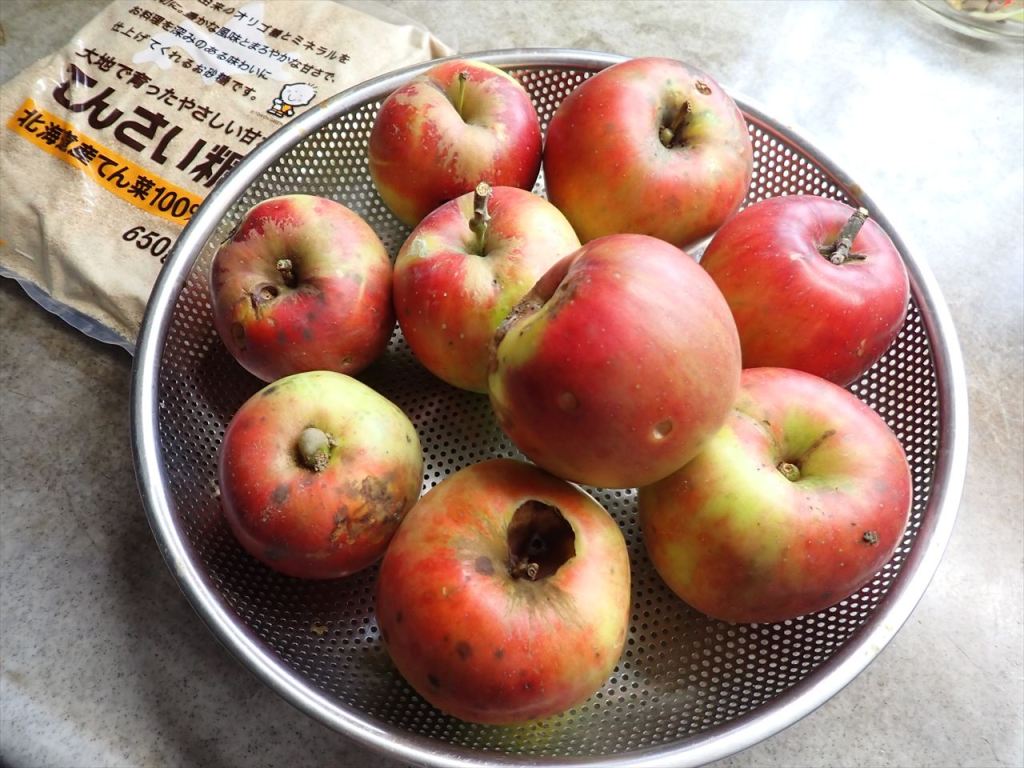
Since Jonathan is a sour apple, if I got them early, it could have been too sour. Therefore, I have just kept them hanging on the tree. Then some of them fell onto the ground, and some were eaten by worms and insects. I picked up them yesterday, and made them jam today. I used not cane sugar but beet sugar this time.
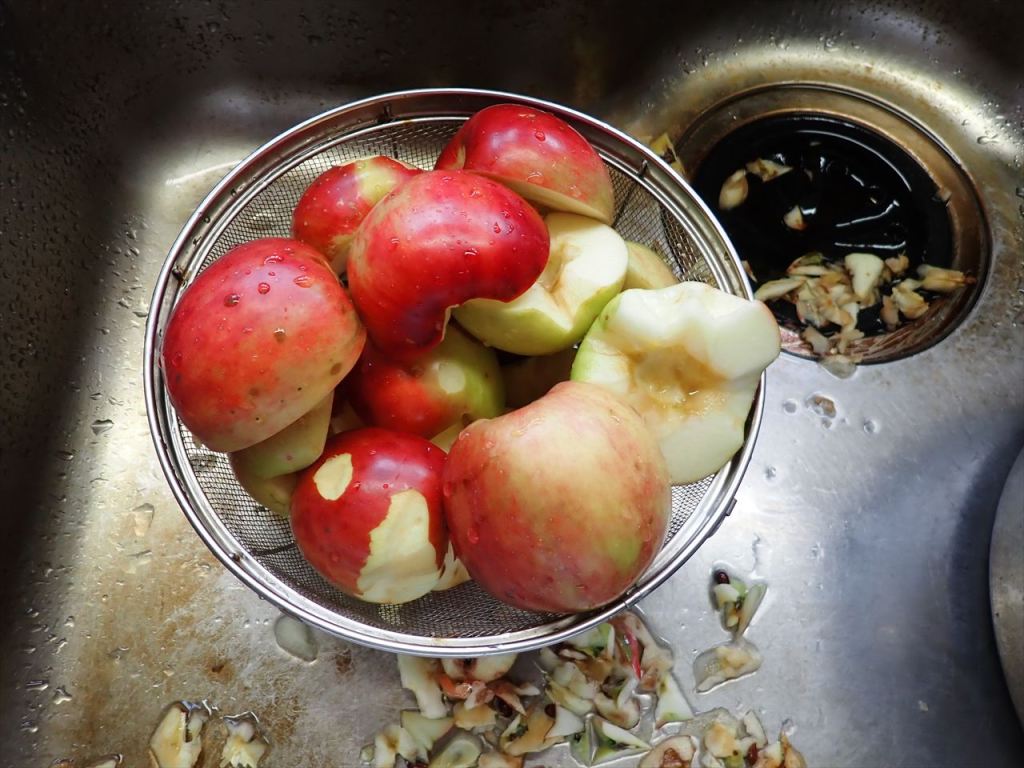
In reality, there is a lot of insects’ excrement. I got rid of them carefully.
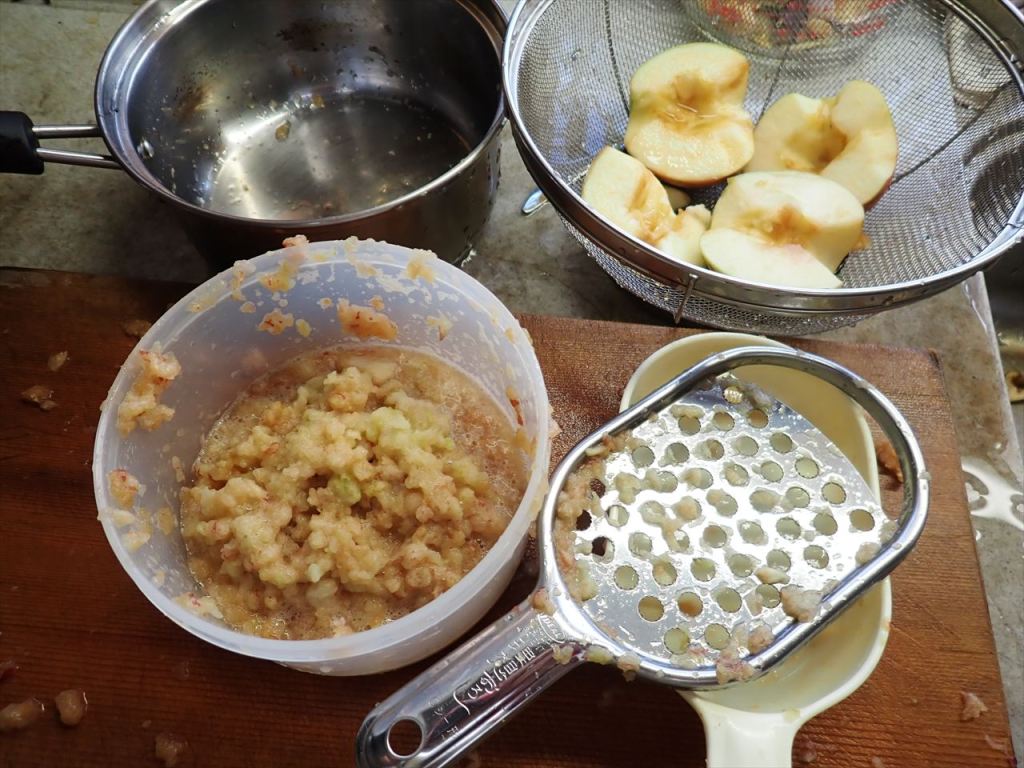
I grated the apple. Thinking about the amount of sugar I had, I just stop grating when I got 1 kilogram of grated apple.
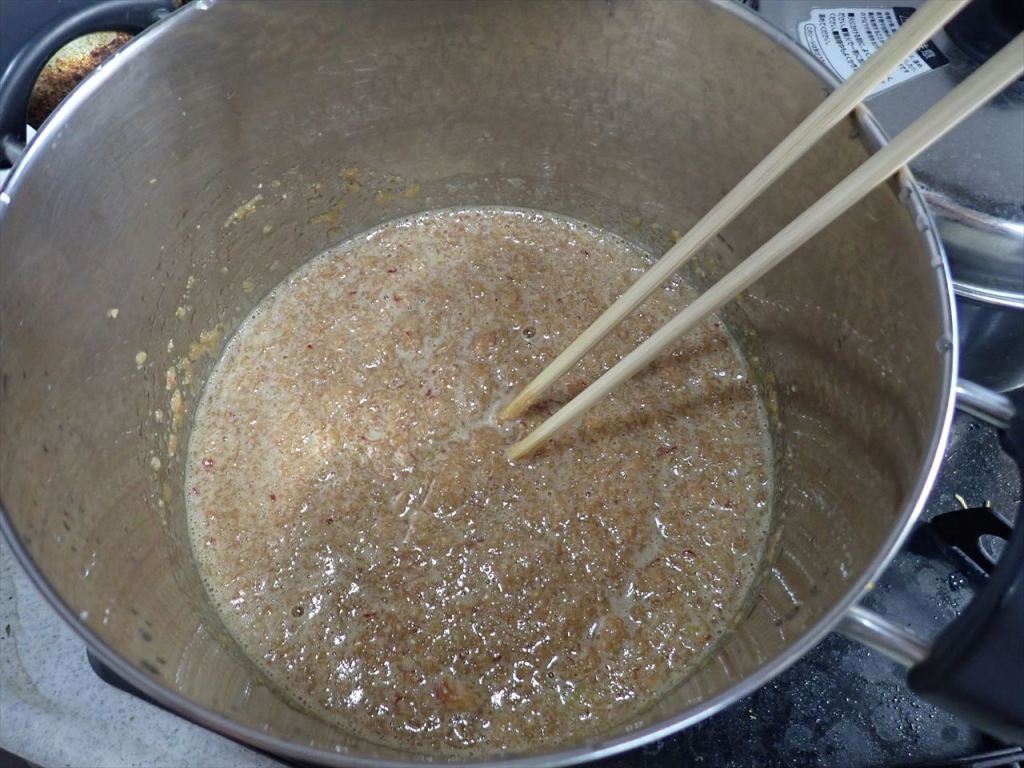
The pan was a little big, but anyway, I boiled 1kg(=1000g) of apple with 800g of beet sugar.
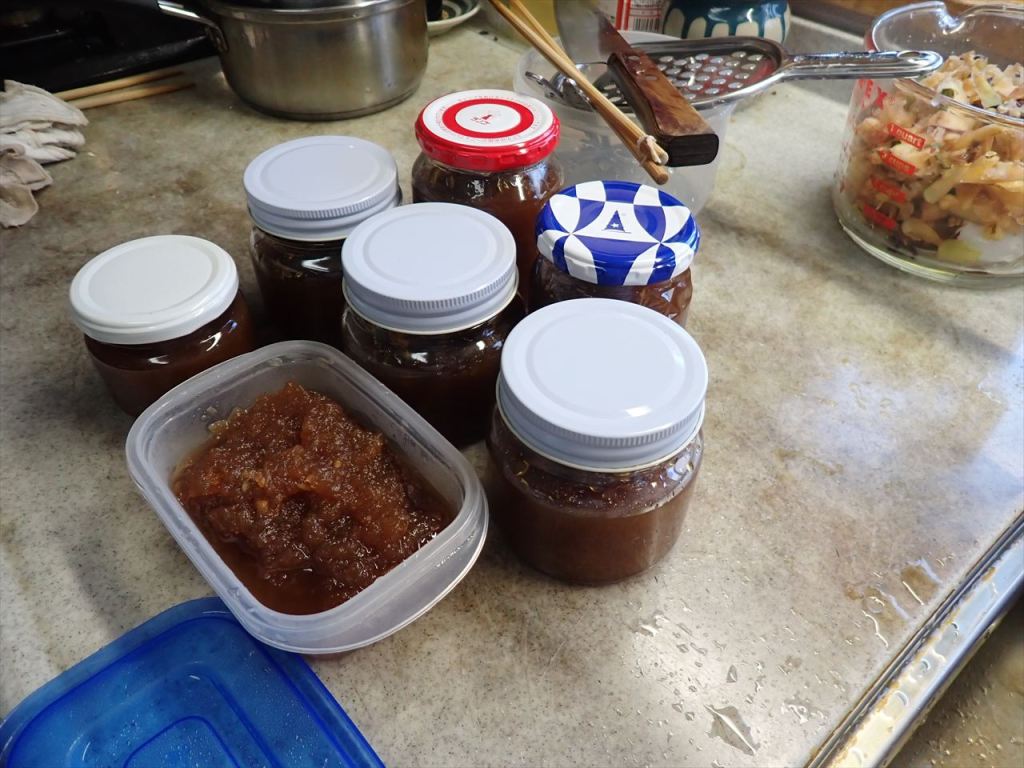
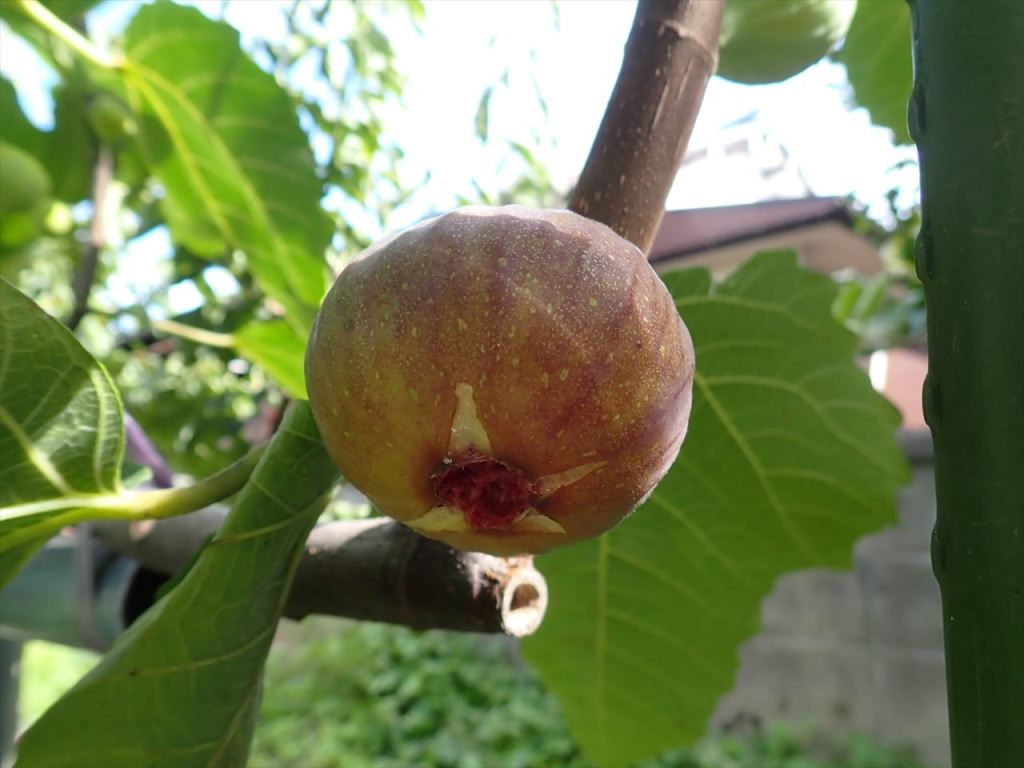
I got six bottles and more of apple jam. When I harvest fig in October, then I will make fig jam. I hope that I won’t need to buy any jam from the supermarket until spring, by pasting these my handmade jam on toast in breakfast.
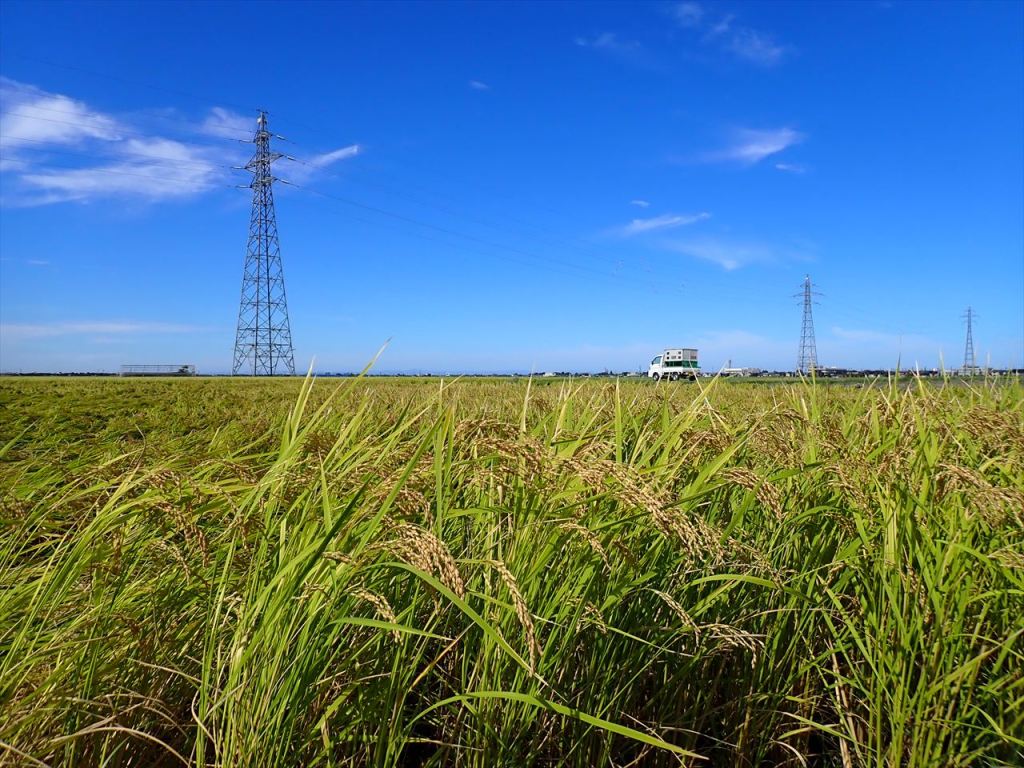
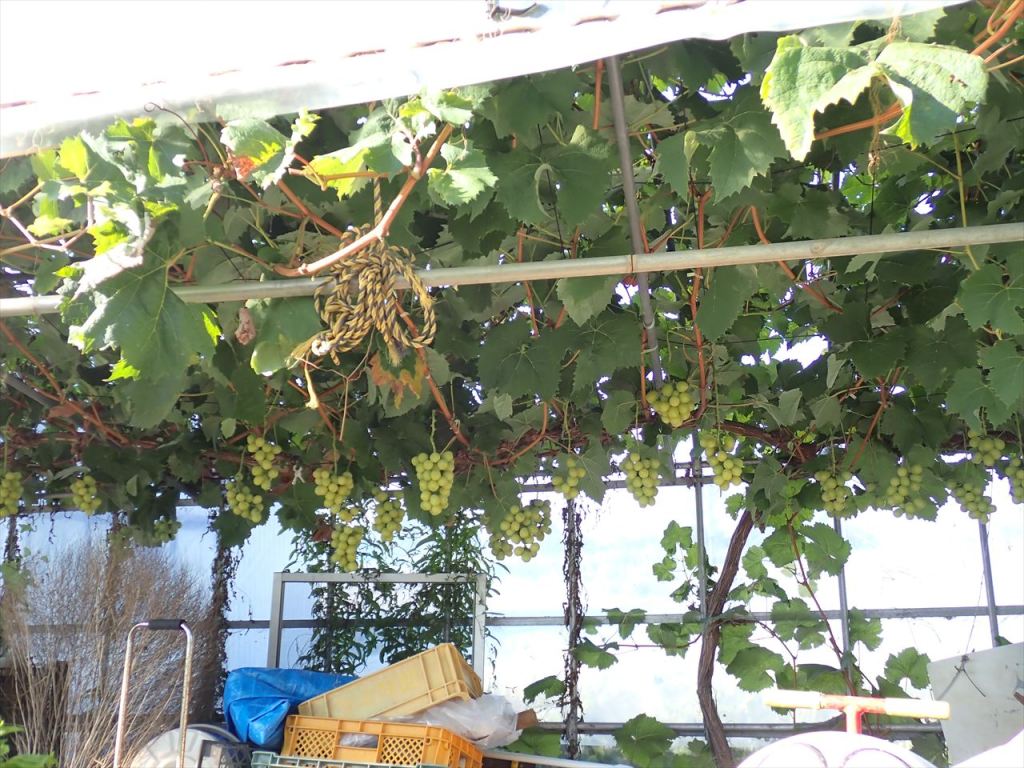
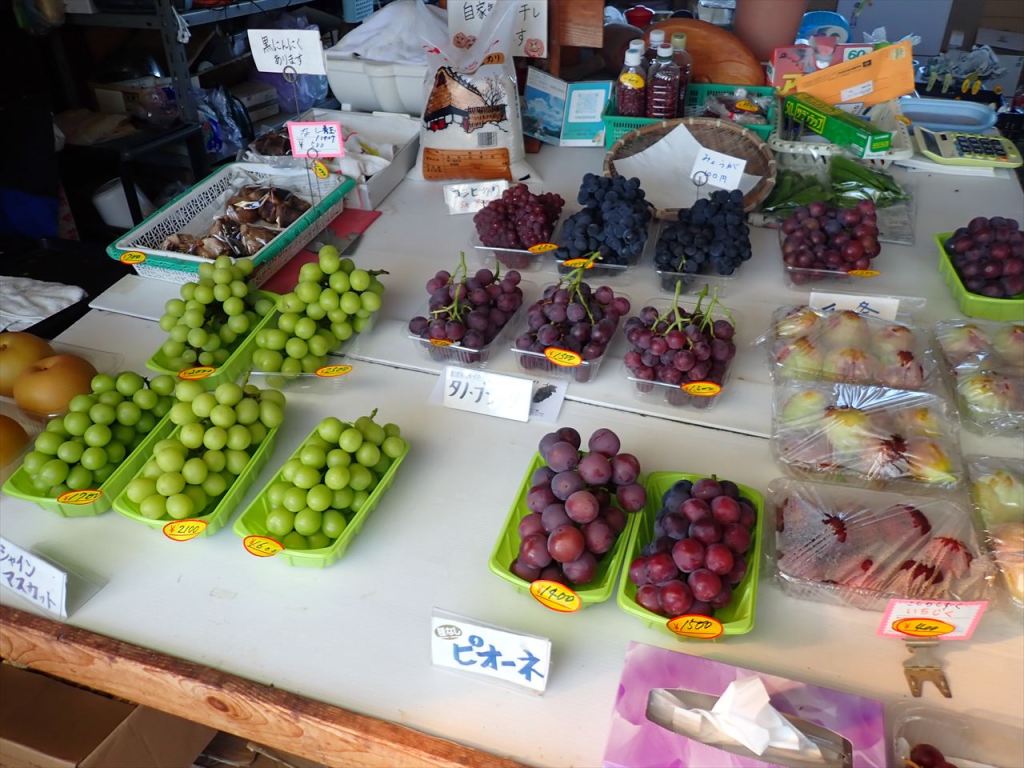
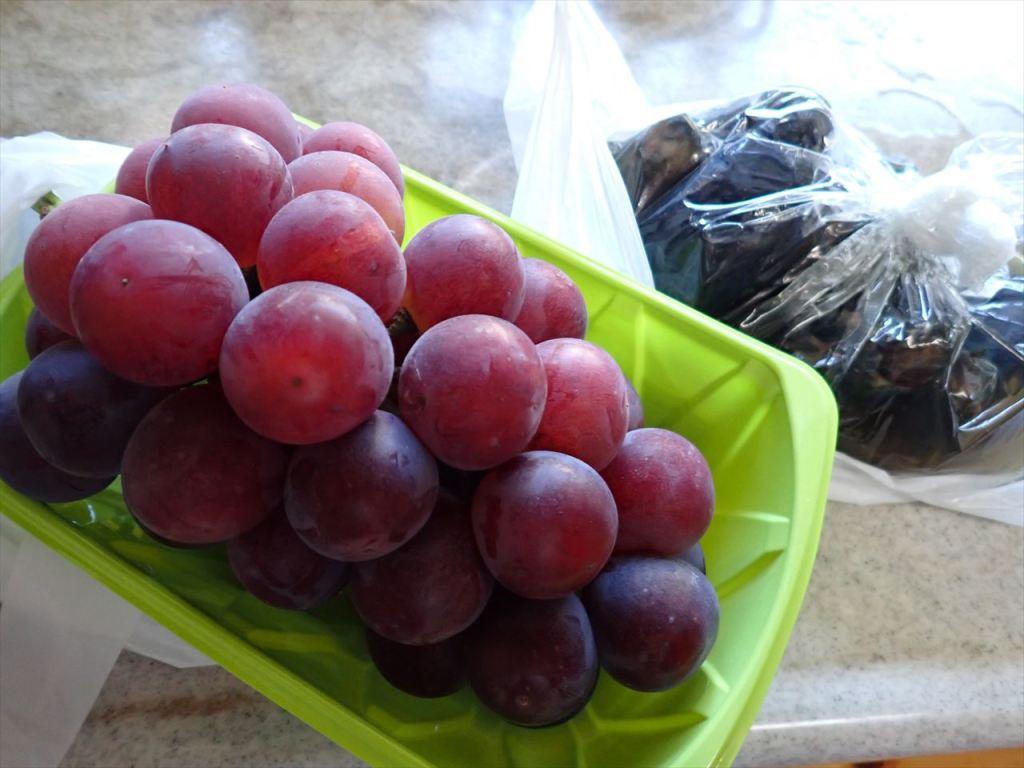
Grapes 1400 + Salty Eggplants 200 = 1600 JPY
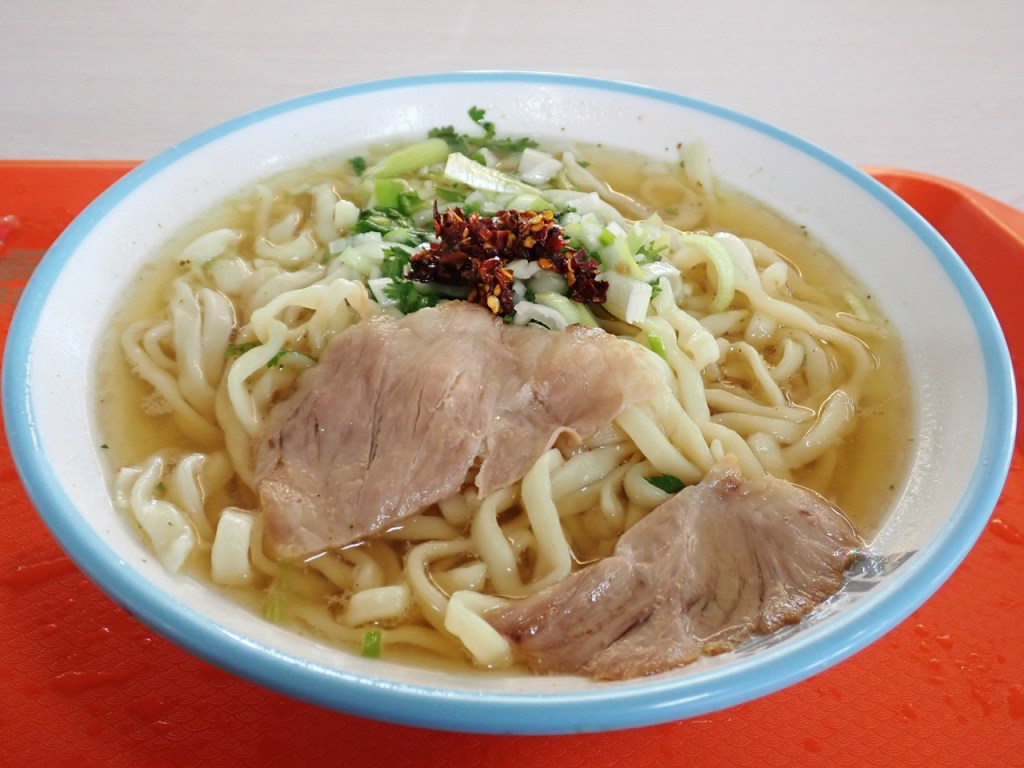
It takes long hours for me to write the posts of “Japanese Learning”. Now I have reached the section 40 of “Minna no Nihongo”. That means the items to learn are gradually reaching the intermediate level. This simply increase my effort to write explanations about what are written in the exercise A. In the second book, the number of the exercise As in one section is less than in the first book. So, each exercise A has more volumes than before.
I spend several hours for one post, but at the same time I have to do many house chores. Plus now is the season to work on the field.
Though I want to finish the section 50 until the year end, I am not sure if I can make it or not.
これも作成に時間がかかりそうです。
————————————–
This post was written with reference to the exercise A2 on Section40 of “Minna no Nihongo (2nd Edition)” published by “3A Corporation”

